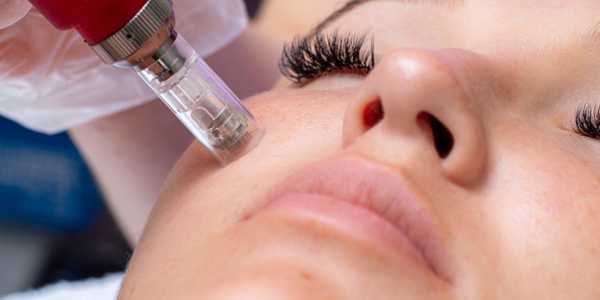
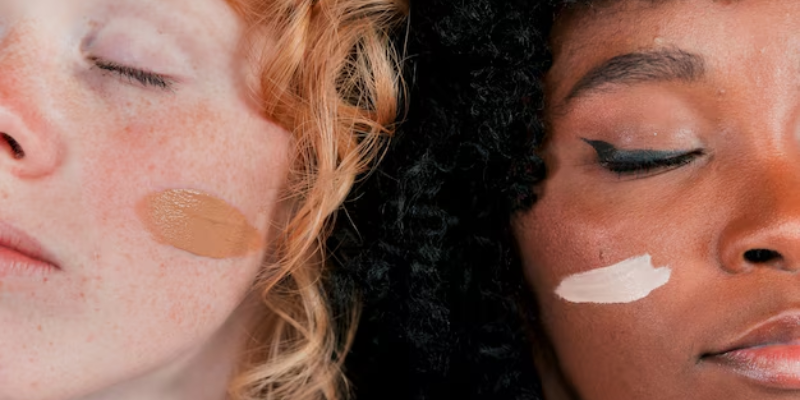
Chemical peel treatments are gaining traction in the skincare community as an effective remedy for common issues like skin damage, aging, and imperfections. These treatments exfoliate the skin, leading to a smoother and rejuvenated complexion. Are you looking to transform your skin? Continue reading to learn more about what happens during this transformative treatment!
Understanding Chemical Peels: A Pathway to Renewal
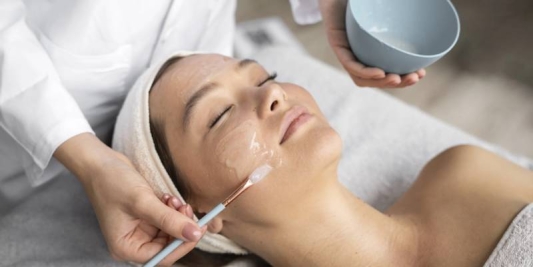
At its core, a chemical peel is a specialized skincare procedure aimed at improving the appearance and texture of the skin through the application of a tailored chemical solution. The main objectives of chemical peels are to exfoliate the skin, promote skin rejuvenation, and improve overall skin texture. Key issues that can be effectively addressed include acne scars, fine lines, sun damage, and uneven pigmentation.
Chemical peels are categorized into three primary types: superficial, medium, and deep.
Regardless of the type chosen, all chemical peels aim to cultivate a healthier, more radiant complexion.
Preparing for Your Chemical Peel Treatment
Preparation is key to achieving the best outcomes from a chemical peel, starting with a professional evaluation of your skin. This step is essential to ascertain your candidacy for the procedure, assess your skin type, and address any specific concerns you might have. A skincare professional can craft a treatment plan tailored specifically to meet your needs, ensuring both safety and effectiveness.
Pre-Treatment Steps to Follow:
Taking these preparatory steps seriously sets a solid groundwork for your chemical peel, enhancing the potential for successful results.
The Step-by-Step Chemical Peel Process
Embarking on the journey to rejuvenated skin through a chemical peel follows several distinct steps:
The Benefits of Chemical Peels
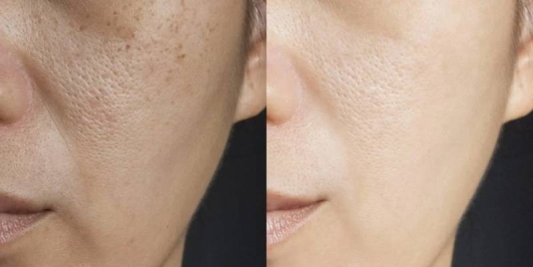
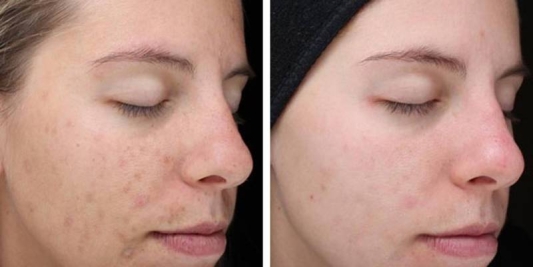
Chemical peels provide a plethora of benefits for individuals seeking to rejuvenate their skin. One standout advantage is their capacity to enhance skin tone and texture. According to a study from the American Society of Plastic Surgeons, a striking 85% of patients reported marked improvements in their skin post-peel.
Additionally, a series of treatments can yield a significant reduction in acne scars, fine lines, and sun damage. Many patients share glowing testimonials, expressing excitement over the immediate glow achieved, with comments such as, "The difference in my skin was noticeable within days!"
Personalized treatment plans cater to the individual’s skin type, ensuring that every patient experiences results tailored to their unique concerns. With proper evaluation and guidance from a skincare professional, a chemical peel can dramatically revitalize your skin, making it smoother and more radiant than ever before.
Navigating the Risks and Considerations
While chemical peels are effective tools for ameliorating skin texture and tone, they also come with inherent risks and potential side effects worth considering. Common reactions may include redness, temporary peeling, and heightened sensitivity—often comparable to mild sunburn.
Individuals with sensitive skin, rosacea, or a history of keloid scarring should exercise caution, as chemical peels can exacerbate irritation or provoke adverse reactions.
Choosing the right professional is crucial. Opt for a licensed dermatologist or qualified skincare specialist known for their expertise in chemical peels. Reputable online reviews, along with before-and-after photos from previous clients, can help you make an informed decision. Aftercare advice from your professional is vital for recovery and successful results—consistent moisturizing, steering clear of sun exposure, and resisting the urge to pick at peeling skin will enhance your healing process, minimizing risks while maximizing the benefits of your treatment.
Embarking on Your Skincare Transformation
Understanding the ins and outs of chemical peels is essential for anyone contemplating this rejuvenating skincare option. These treatments deliver substantial benefits—improved skin texture, reduced blemishes—while acknowledging potential risks like irritation and scarring. Collaborating with a qualified skincare professional ensures a personalized approach to your skincare needs, empowering you to take the first step toward a healthier, revitalized complexion with renewed confidence. Don't wait! Consult with a skincare expert today and embrace the transformation you've been dreaming of!